
Almeida, Rita
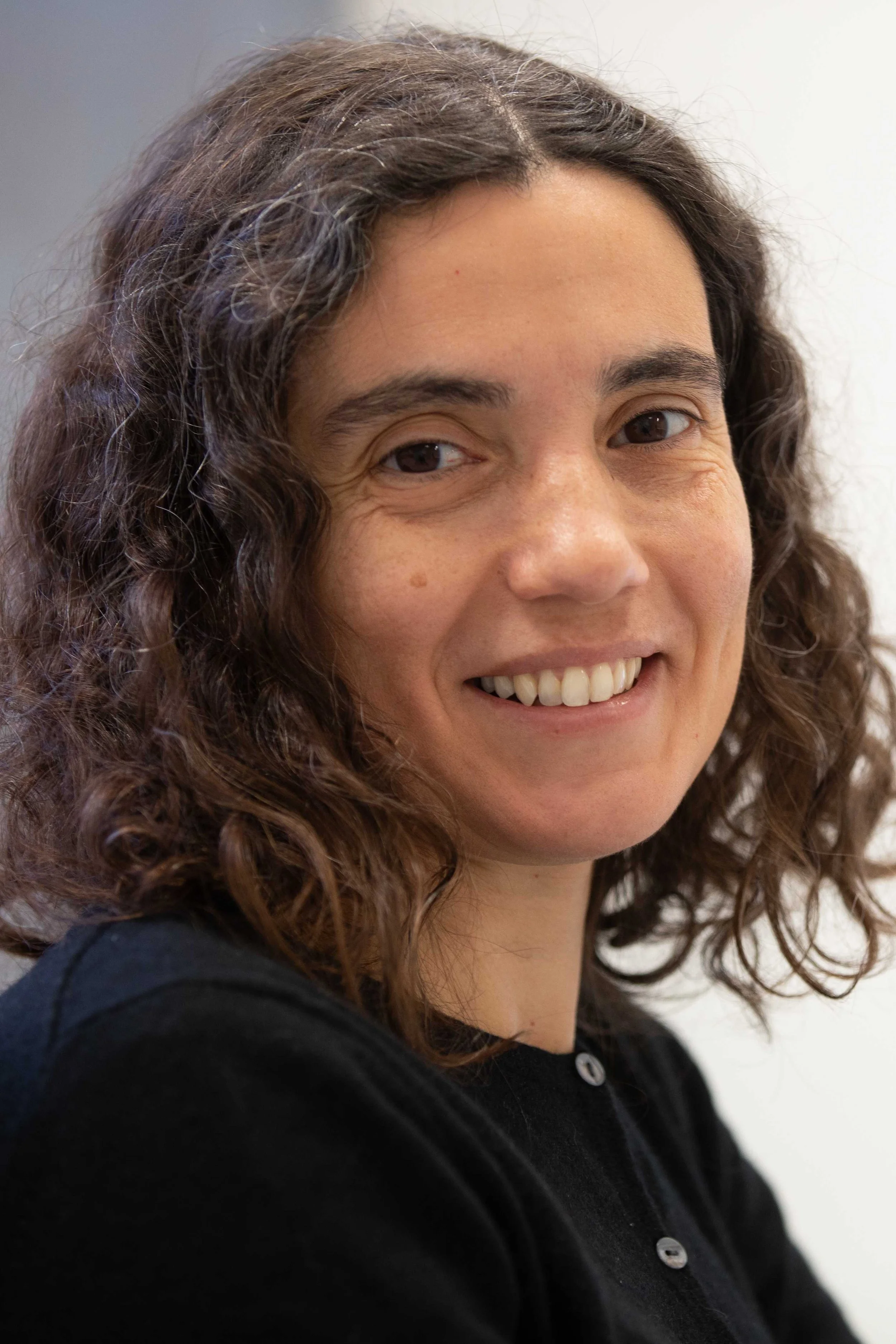
Rita Almeida is an an Associate Professor at the Department of Psychology and a Senior Lecturer in neuroscience with a focus on brain imaging analysis at the Department of Linguistics of Stockholm University. She is also the Director of the Stockholm University Brain Imaging Center (SUBIC). She has a background in physics and a PhD on analysis and modeling of neuroimaging data. Her main research focus is on modeling behavioral data and its neuronal correlates.
Andersson, Micael
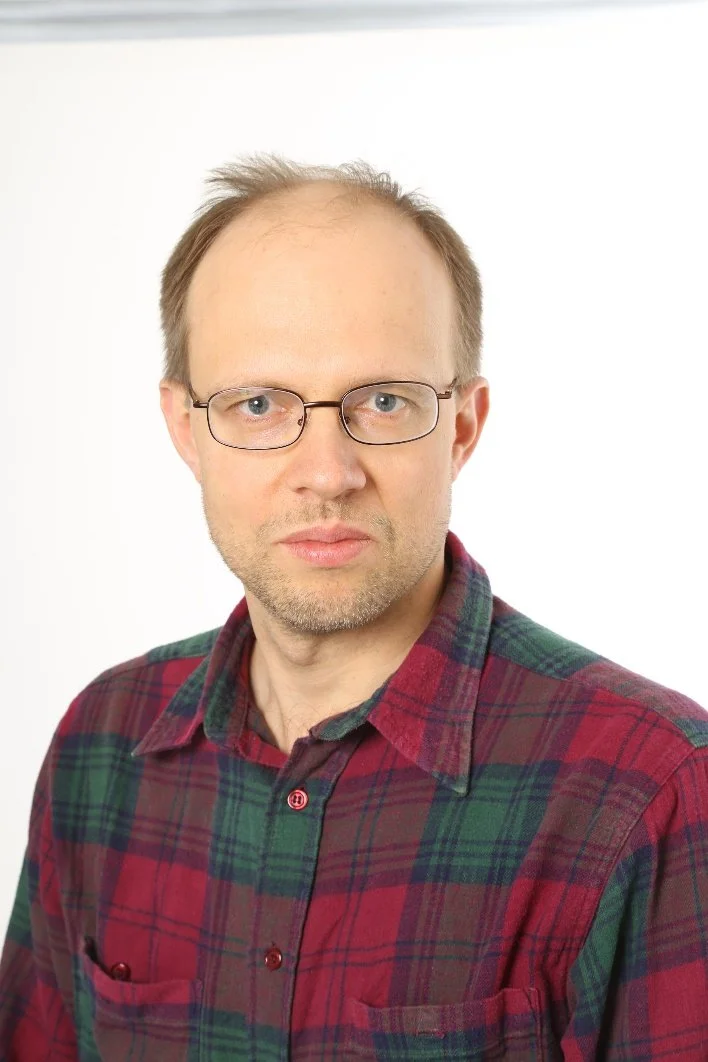
Micael is a staff scientist, working part-time at Umeå Center for Functional Brain Imaging and at the Department of Medical and Translational Biology, with experience of fMRI-data since 2004. He is mainly working with data management, processing and analyses of brain imaging data. The work have mainly regarded fMRI and anatomic MRI from single-patient analyses to large longitudinal projects. He is experienced in programming, including technical programming, user-interface and backend development, mainly in programming languages C/C# and Matlab.
Brandmeier, Andreas
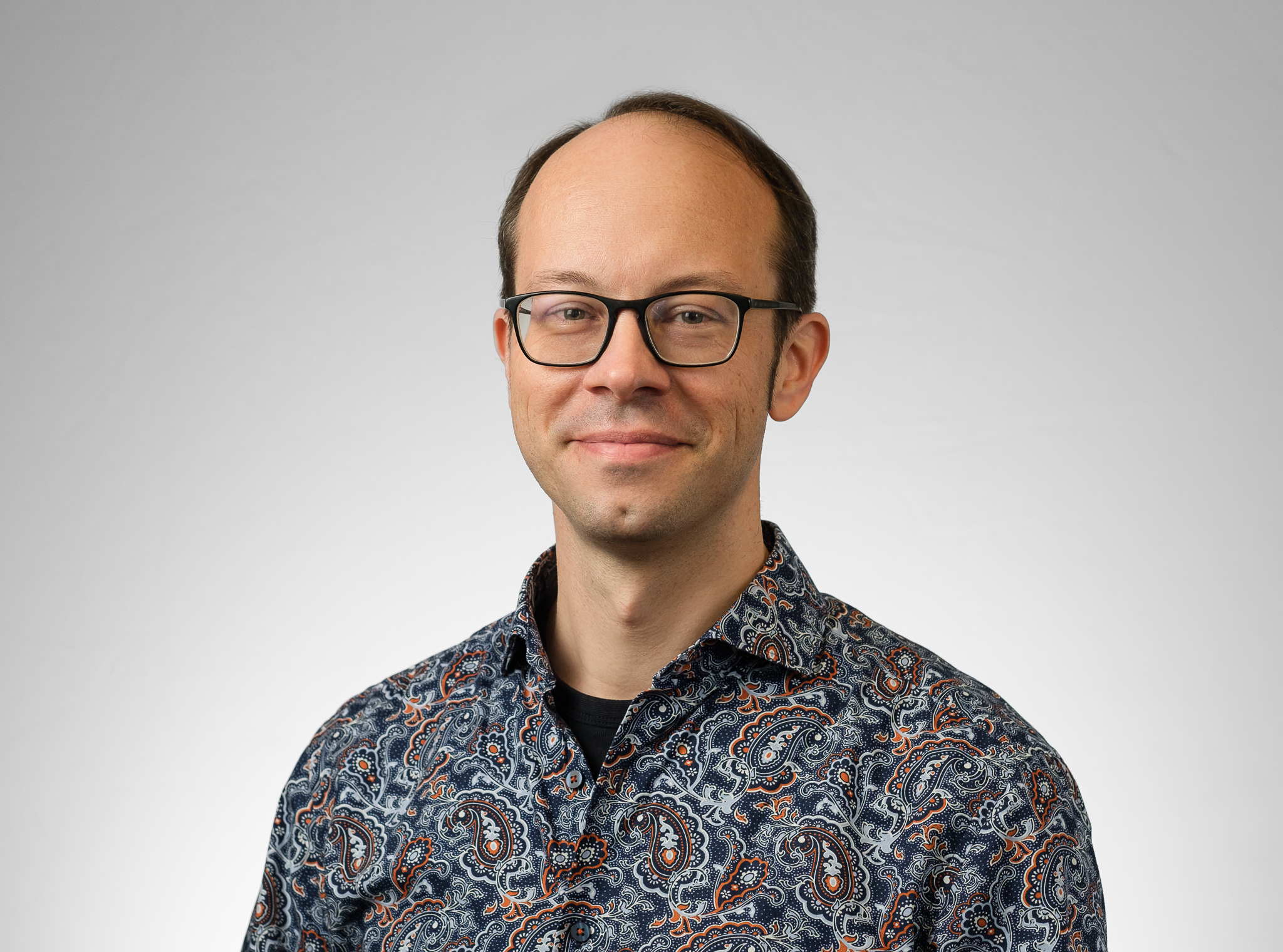
Prof. Dr. Andreas M. Brandmaier is Professor of Research Methodology in Psychology at MSB Medical School Berlin, Senior Research Scientist at the Max Planck Institute for Human Development and fellow of the Max Planck UCL Centre for Computational Psychiatry ang Ageing Research. His work advances computational and statistical methods for psychological research, with a focus on lifespan development, individual differences in behavioral and neural change, structural equation modelling (SEM), machine learning, reliability, reproducibility, and Open Science. He develops open source scientific software, including tools for SEM trees, longitudinal study design, and SEM (Onyx). He currently serves as Associate Editor of Psychological Methods.
Chang, Yu-Wei
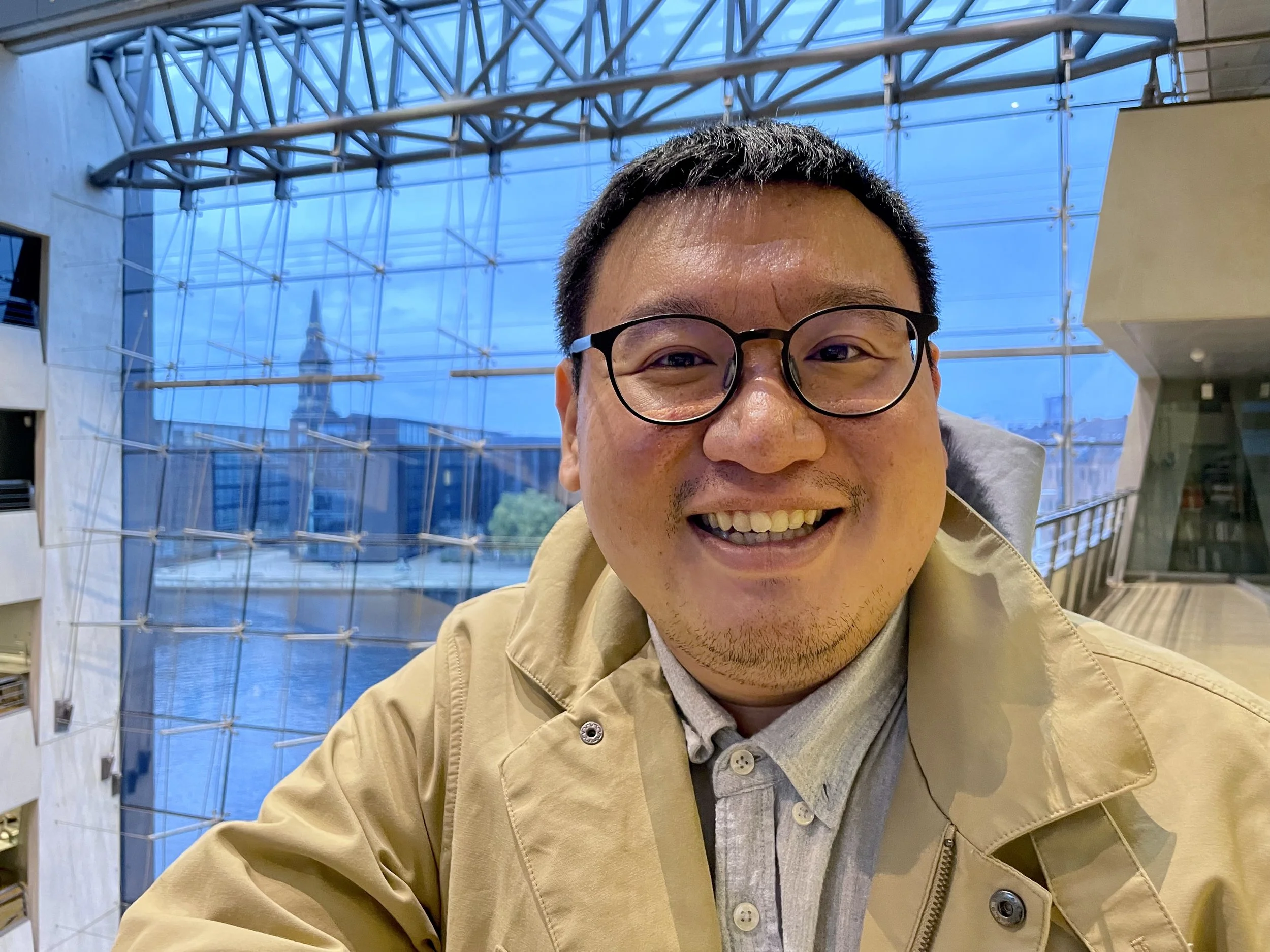
Yu-Wei Chang is a postdoctoral researcher at Karolinska Institutet and one of the developers of BRAPH 2. His research combines network neuroscience, deep learning, and scientific software development, with a strong focus on reproducible and user-friendly analytical frameworks. He works on methods that support all levels of use, from no-code graphical interfaces to script-based workflows and the rapid creation of specialized software distributions.
Elliott, Maxwell
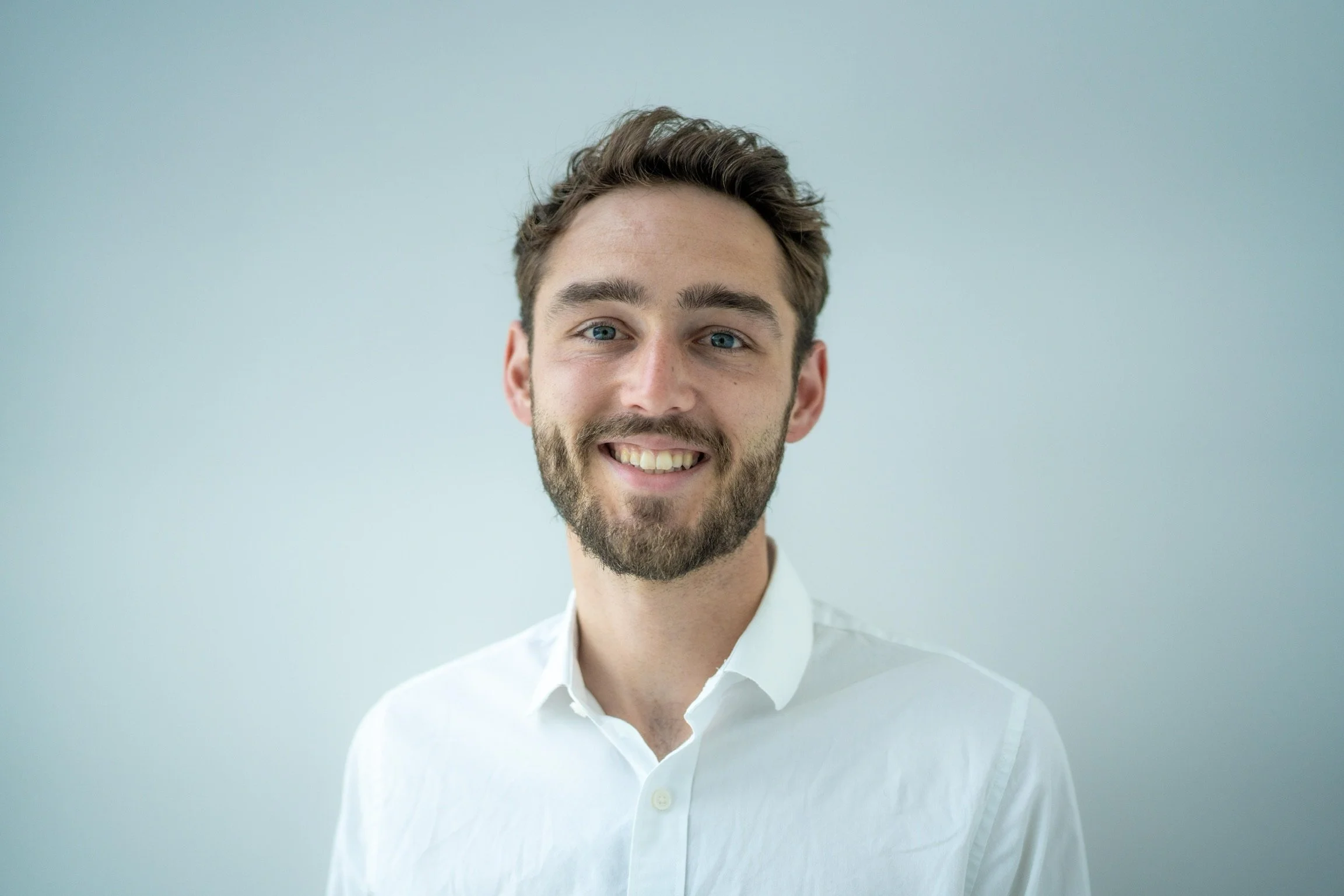
Max Elliott is an Assistant Professor in the Department of Psychology at the University of Minnesota. Before this position, Max received a PhD in Clinical Psychology at Duke University, where he worked with Ahmad Hariri, Terrie Moffitt, and Avshalom Caspi. Max then completed my clinical internship at McLean Hospital and worked for three years as a postdoctoral fellow with Randy Buckner at Harvard University. Max’s lab at the University of Minnesota studies individual differences in cognitive and brain aging with a focus on helping individuals maintain cognitive function as they age.
Elwell, Clare
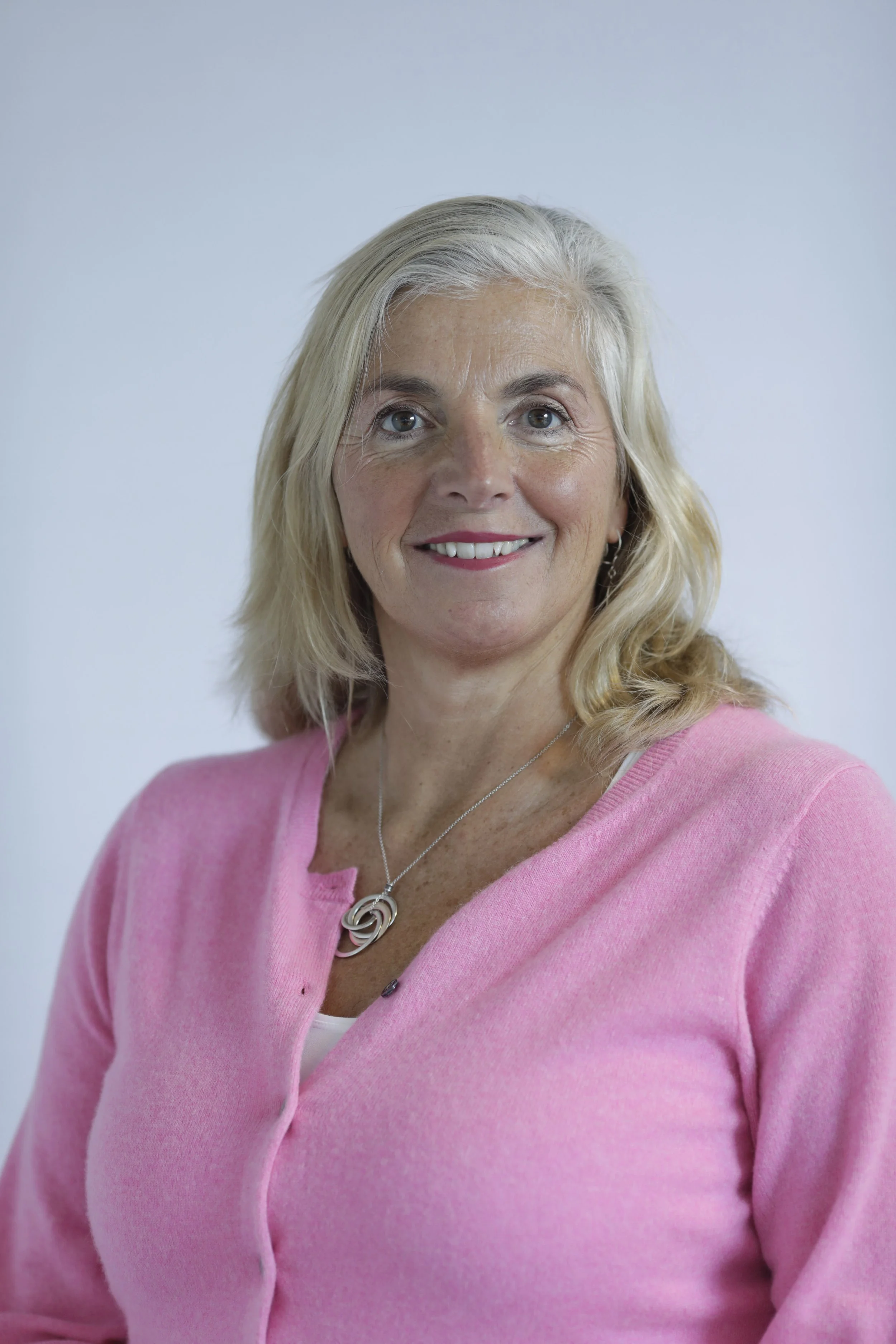
Clare Elwell is a Professor of Medical Physics at University College London (UCL) and Vice Dean for Impact for UCL Engineering. She develops functional near infrared spectroscopy (fNIRS) technologies to image the human brain and her research projects include studies ofacute brain injury, infant brain development, autism, migraine and malaria. She currently leads the Brain Imaging for Global Health (BRIGHT) project which delivered the first brain images of infants in Africa. Clare is Past President of the Society for Functional Near Infrared Spectroscopy of the International Society on Oxygen Transport to Tissue. She iscurrent President of the London International Youth Science Forum and is the Founder and aTrustee of the charity Young Scientists for Africa. In December 2025 she was awarded the prestigious UCL Medal for the lasting mark her work has made on the UCL community and beyond.
Gilmore, John

Dr. Gilmore is the Eure Distinguished Professor and Vice Chair for Research in the Department of Psychiatry at the University of North Carolina. His research focuses on early childhood brain development and how it contributes to risk for schizophrenia and other psychiatric disorders. Dr. Gilmore leads the UNC Early Brain Development Study, a longitudinal imaging study of brain development and its relationship to cognitive and behavioral development in over 1000 normal and high-risk children from birth through adolescence. Dr. Gilmore is also active clinically, directing the UNC Center for Excellence in Community Mental Health.
Hedley Thompson, William
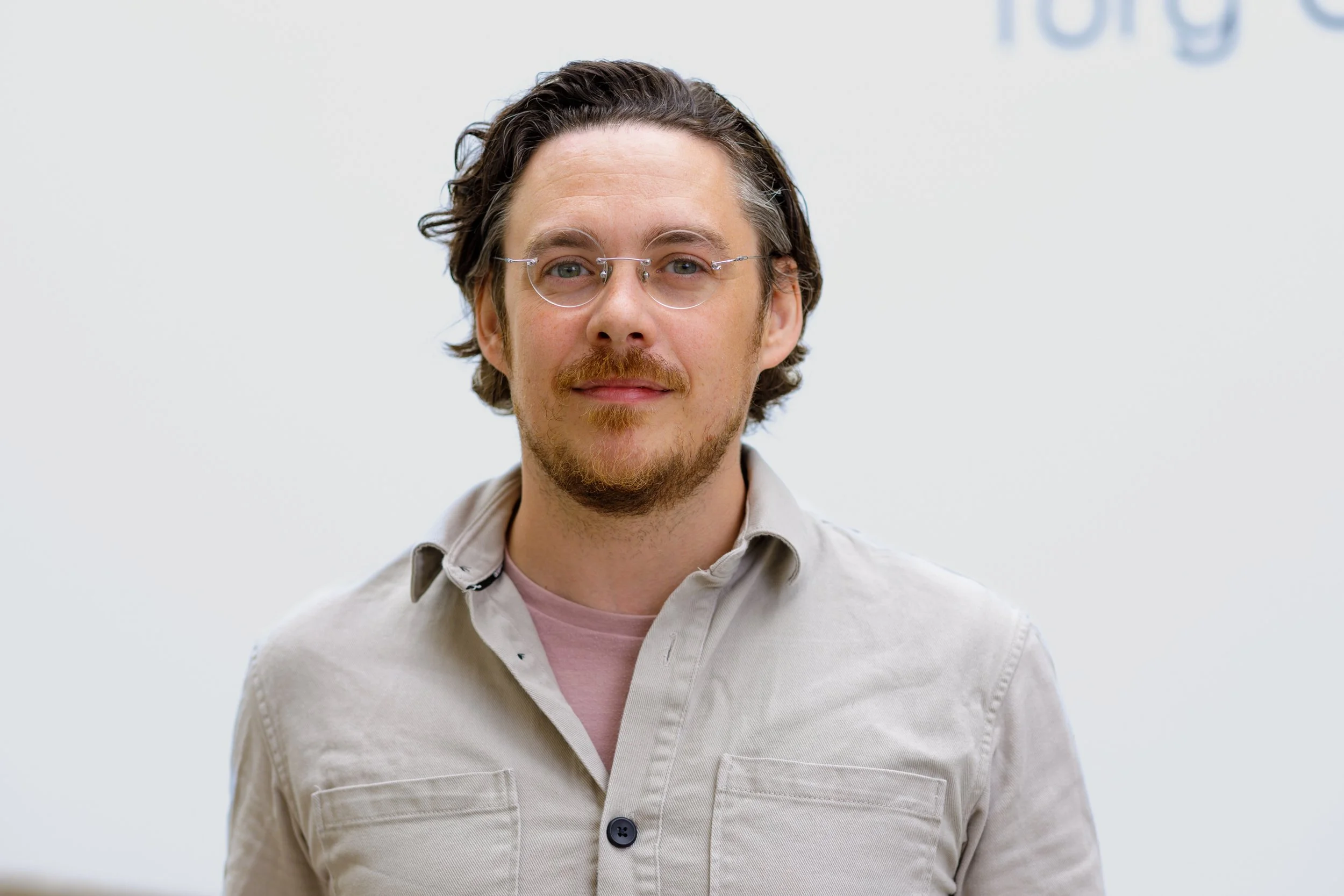
William Hedley Thompson is an Associate Professor in Cognitive Science. His work focuses on how dynamic and interconnected processes unfold in the brain and behavior. This involves developing and applying methods from network theory to neuroimaging data to quantify interactions between different brain systems. He apply these methods across a variety of populations, including individuals with bipolar disorder, chronic fatigue, and chronic pain. Recently, his research has increasingly focused on interpretable network measures and the stability of neurocognitive network profiles. He has also developed and contributed to several software tools, including teneto and netplotbrain.
Huber, Renzo
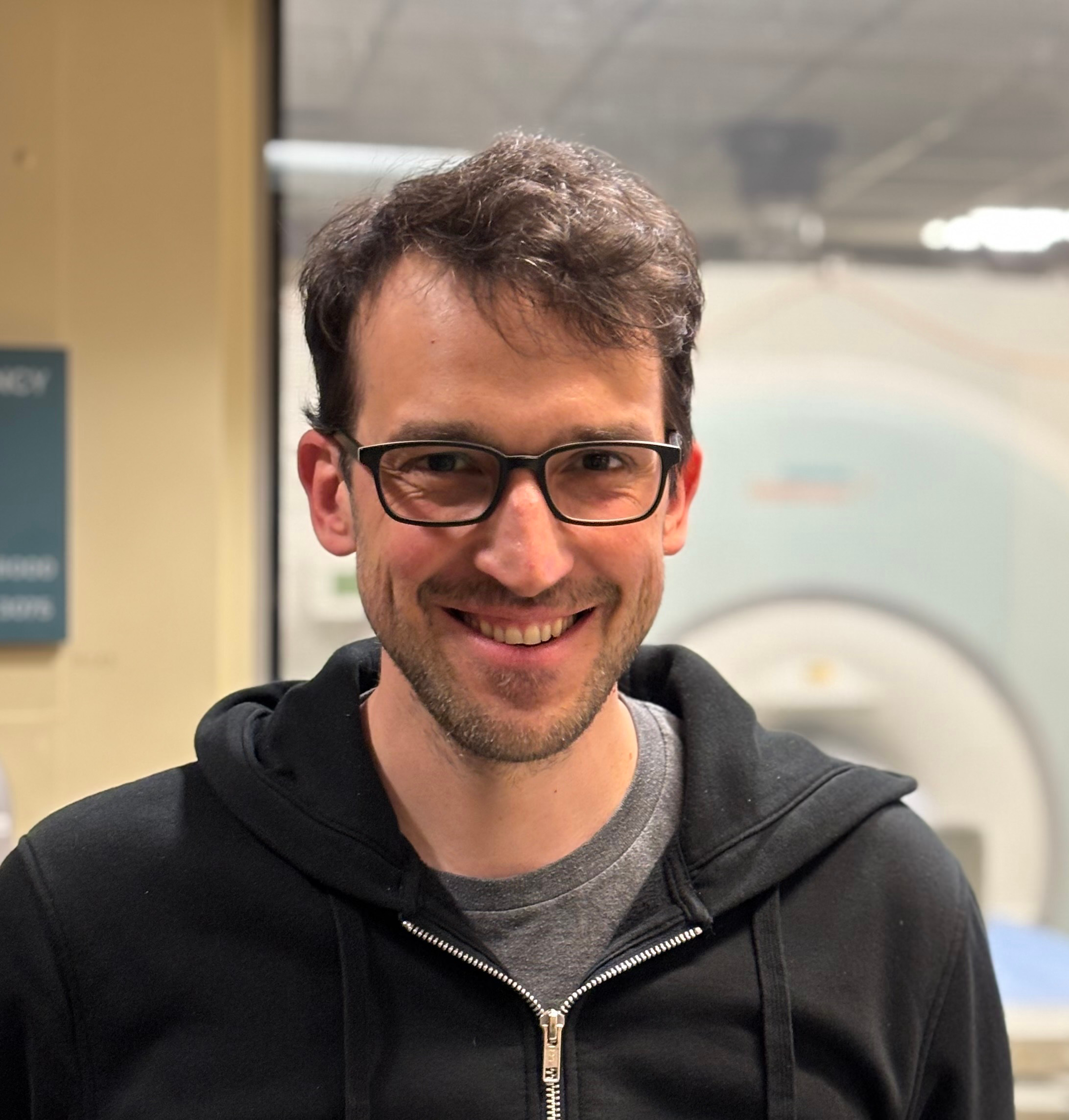
Laurentius Huber, aka Renzo, joined Martinos center in summer 2025 as the Neuroscience Director of the MGB 7T center. In this role, Renzo aims to facilitate high-quality (functional) neuroimaging across three human 7T scanners. In his layer-group, his interest include: making layer-fMRI a turn-key imaging tool for neuroscience applications; high-resolution fMRI readout and analysis method development; whole brain layer-fMRI; functional mapping of blood volume with VASO; developing and facilitating good standards of high-resolution acquisition, reconstruction, and processing.
Johansson, Jarkko
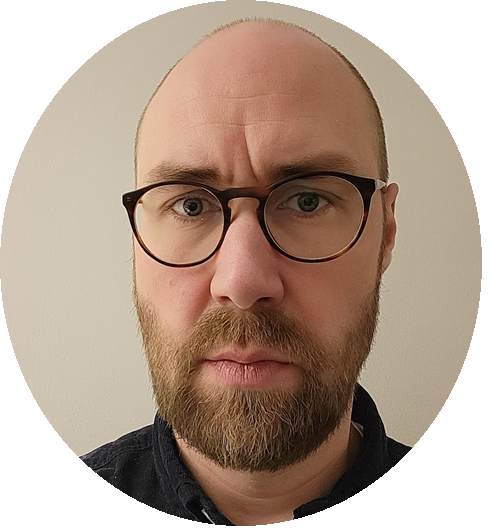
I am a senior researcher with a broad interest in cognitive and affective neuroscience, with a solid working and academic experience in the field of neuroimaging dating back to early 2000. I obtained my PhD in Biological signal processing at the Technical University of Tampere followed by a postdoc in Umeå University, Sweden. I rejoined Turku PET Centre in 2025 as a member of Emotions lab.
Klahn, Luisa
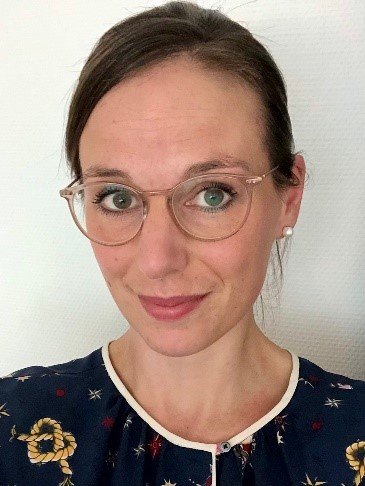
Dr. Luisa Klahn is a researcher at the Department of Psychiatry and Neurochemistry at the University of Gothenburg, Sweden. She received her PhD in Psychology from the University of Münster, Germany, where her work focused on threat predictability and the neural correlates of phasic fear and sustained anxiety in anxiety disorders using neuroimaging approaches. Dr. Klahn is also a licensed cognitive-behavioural psychotherapist with several years of clinical experience.
Her research integrates structural and functional brain imaging to investigate the neurobiology of psychiatric disorders, with a particular focus on bipolar disorder and ADHD. She is especially interested in longitudinal brain changes and how neuroimaging markers relate to cognitive performance, occupational functioning, and fluid biomarkers. Through this work, she aims to advance a better understanding of the neural mechanisms underlying clinical trajectories and functional outcomes in psychiatric disorders.
Kvist, Alexander
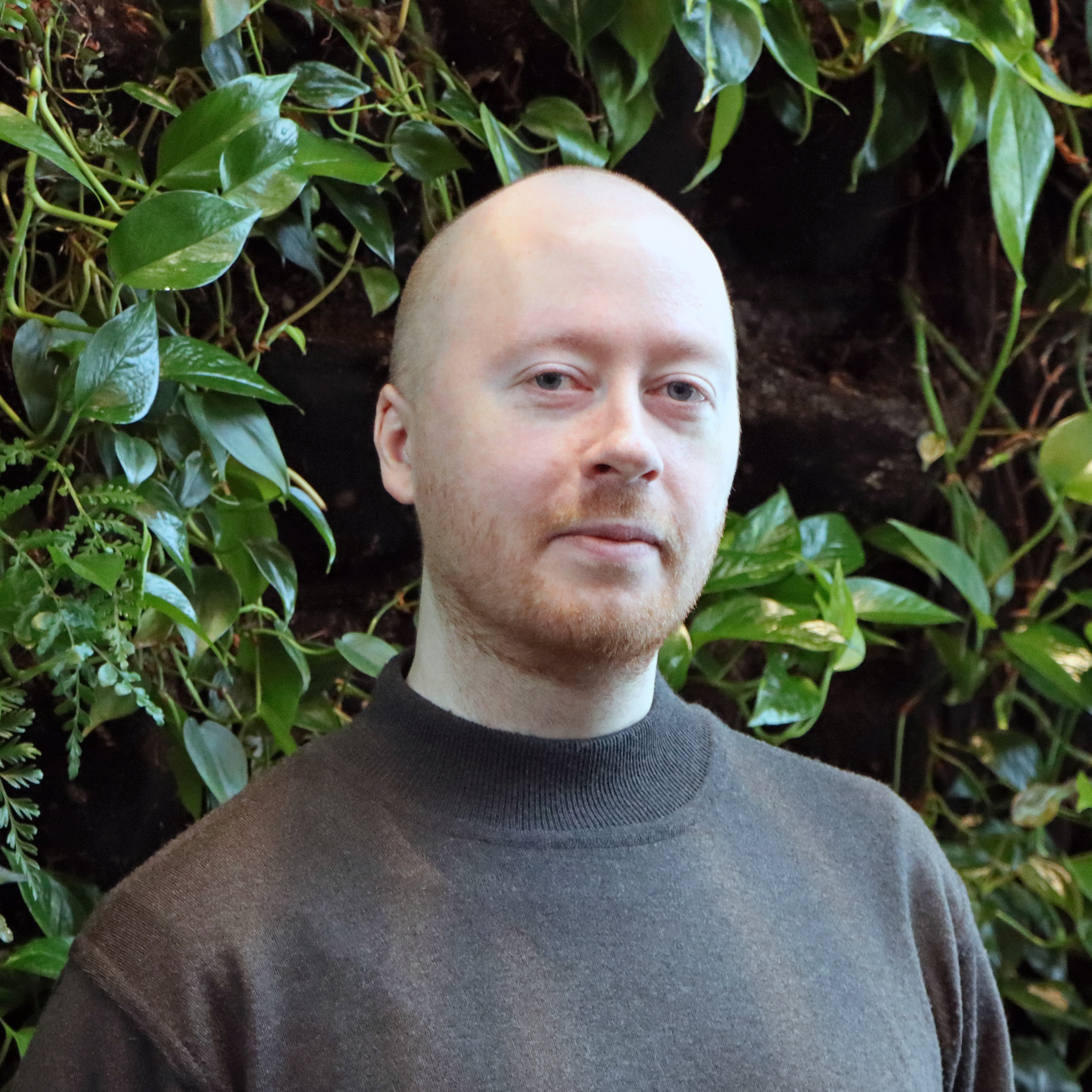
Alexander Kvist obtained his PhD at the Franzén group at the Department of Neurobiology, Care Sciences and Society at Karolinska Institutet. With a background in medical engineering, his research focuses on gait and balance in neurodegenerative populations. In addition to his research, Alexander works as a lab manager at the uMOVE core facility, supporting research on human movement and behavior across multiple scales. His methodological interests include motor control, fNIRS, IMU‑based motion analysis, and machine learning.
Nilsson, Markus
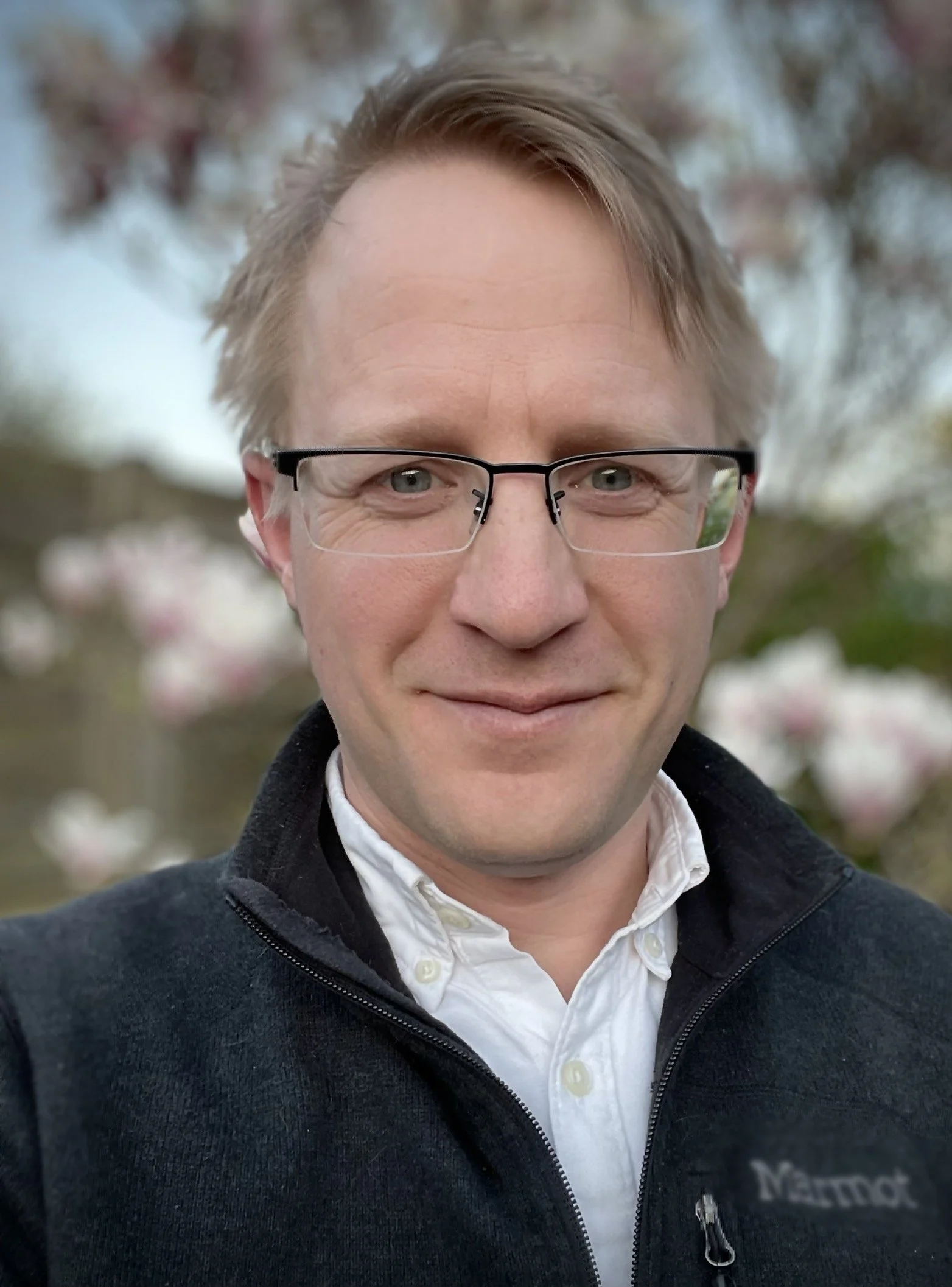
Markus Nilsson is a senior researcher in neuroimaging specialising in MRI methodology, diffusion modelling, and data pipelines. His work spans theoretical development, sequence design, and early clinical translation. He has contributed to several widely used advances such as b-tensor encoding and multidimensional encoding.
Nunez, Michael D.
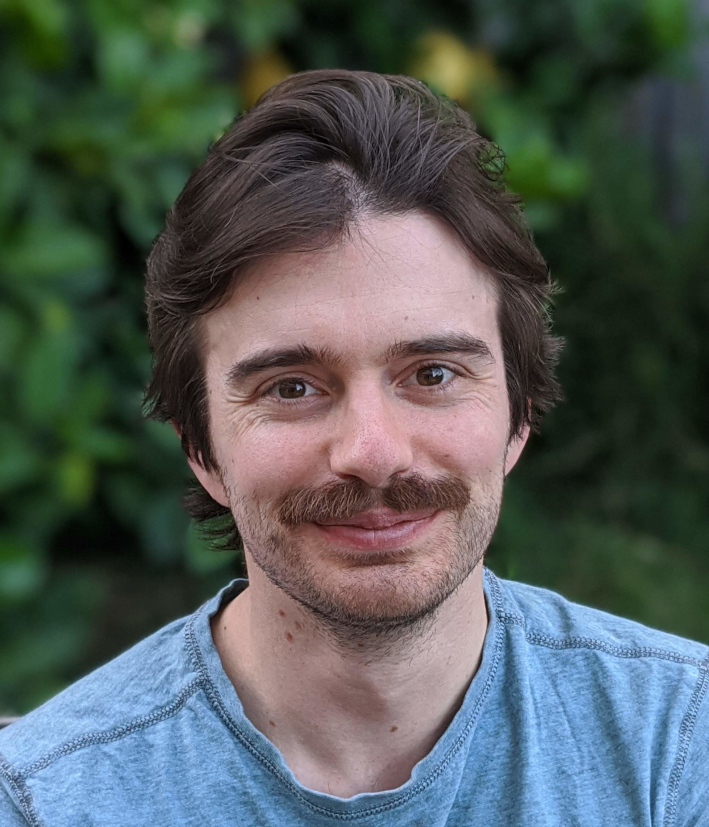
Michael Nunez works as an Assistant Professor in the Psychological Methods group at the University of Amsterdam in The Netherlands. He leads the Mathematical Cognitive Neuroscience Laboratory, and is a member of the Amsterdam Mathematical Psychology Laboratory. His research interests include model-based cognitive neuroscience, decision-making, EEG and electrophysiology, eye-tracking, and Bayesian cognitive modeling. Michael teaches bachelor, master's, and PhD courses on statistics, programming, and model-based cognitive neuroscience
Pfeiffer, Christoph
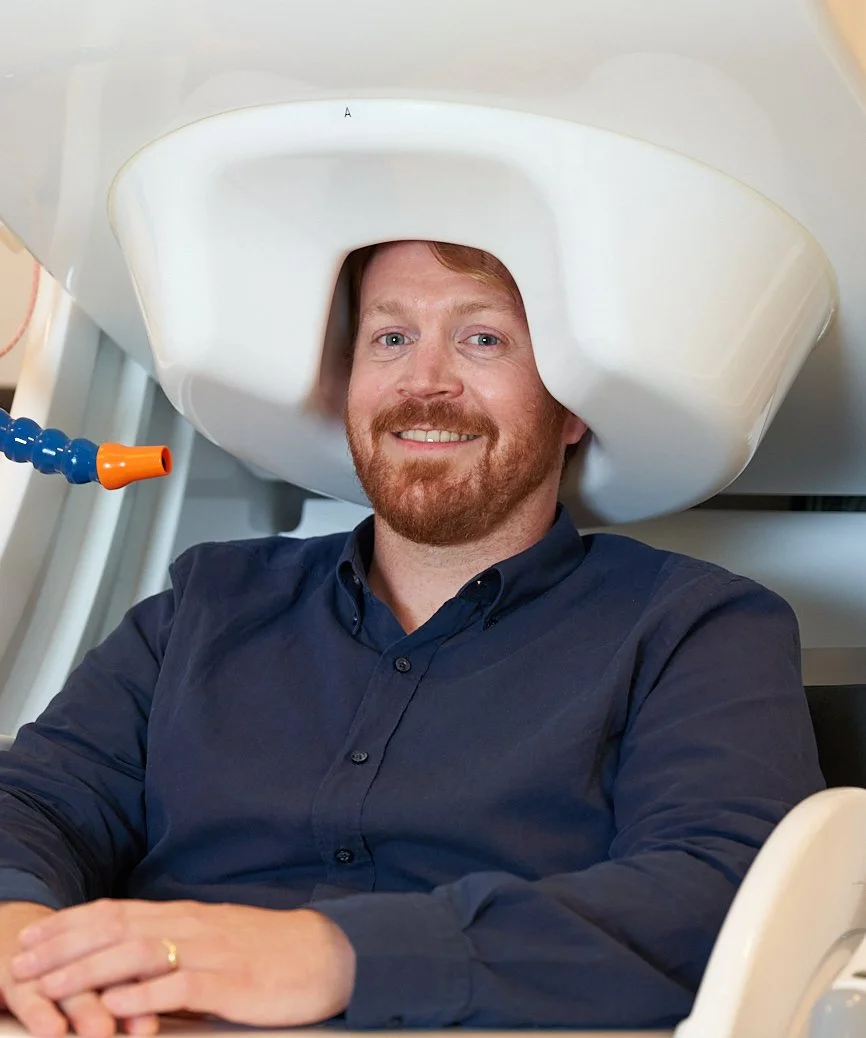
Christoph earned his PhD from Chalmers University of Technology developing on-scalp magnetoencephalography (MEG) systems. Following a postdoc at Aalto University in Finland developing optically pumped magnetometer (OPM) MEG sensors he returned to Sweden where he serves as an Assistant Professor at the Karolinska Institute and Head of the Swedish National Facility for Magnetoencephalography. His research there focuses on novel MEG sensors and methodologies, and their use in epilepsy and BCIs.
Pitchaimuthu, Kabilan
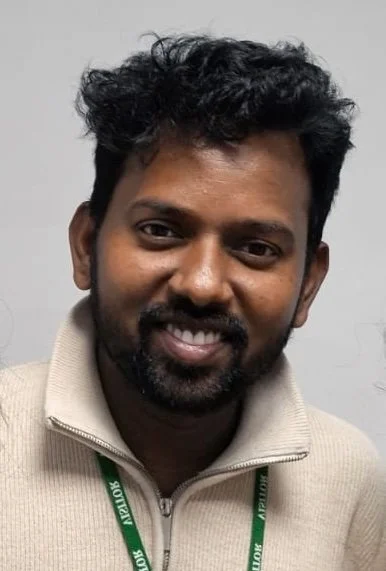
Dr. Kabilan Pitchaimuthu is a Senior Lecturer in the Department of Medicine and Optometry at Linnaeus University, Sweden. He earned his PhD from the University of Melbourne, Australia, where he investigated how healthy ageing influences neural suppression mechanisms in vision, using psychophysical and neuroimaging techniques. He later undertook postdoctoral research at the University of Hamburg, Germany, focusing on visual recovery after transient congenital visual deprivation through EEG and neuroimaging approaches. He also brings several years of experience as a clinical optometrist.
His research combines visual psychophysics, EEG, and MR spectroscopy to examine visual development, the neurochemical mechanisms underlying perception, and age-related changes in the visual system. He teaches courses in visual perception, binocular vision, neuro-optometry, and optometric examination techniques, and supervises student research projects.
Schütt, Heiko
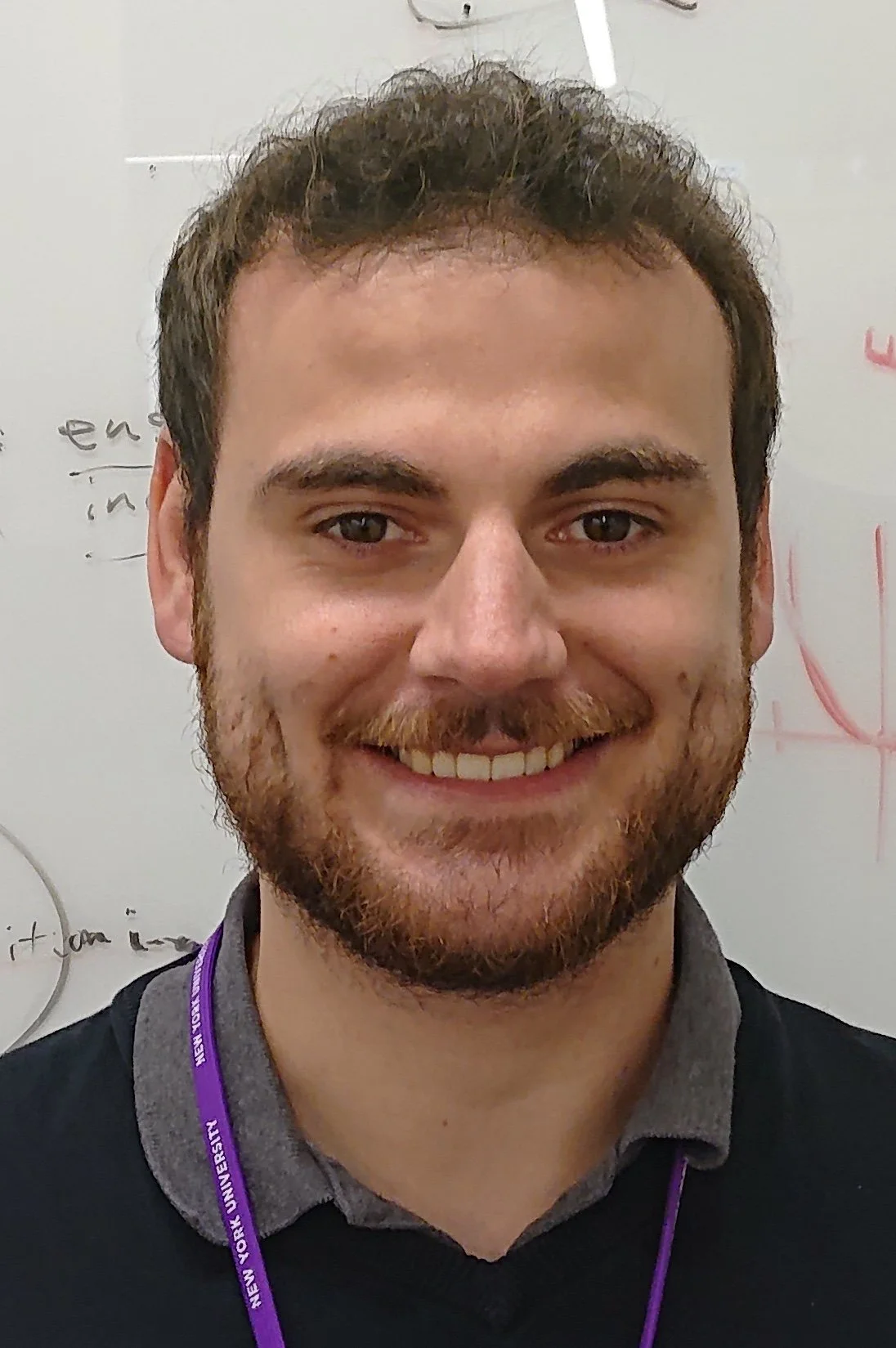
Heiko Schütt is currently associate professor for computational cognitive science and modelling at the university of Luxembourg. He develops models of visual processing and methods to evaluate such models on data. Previously, he was a PostDoc in New York where he led the development of the rsatoolbox and completed his PhD in Tübingen.
Rumetshofer, Theodor
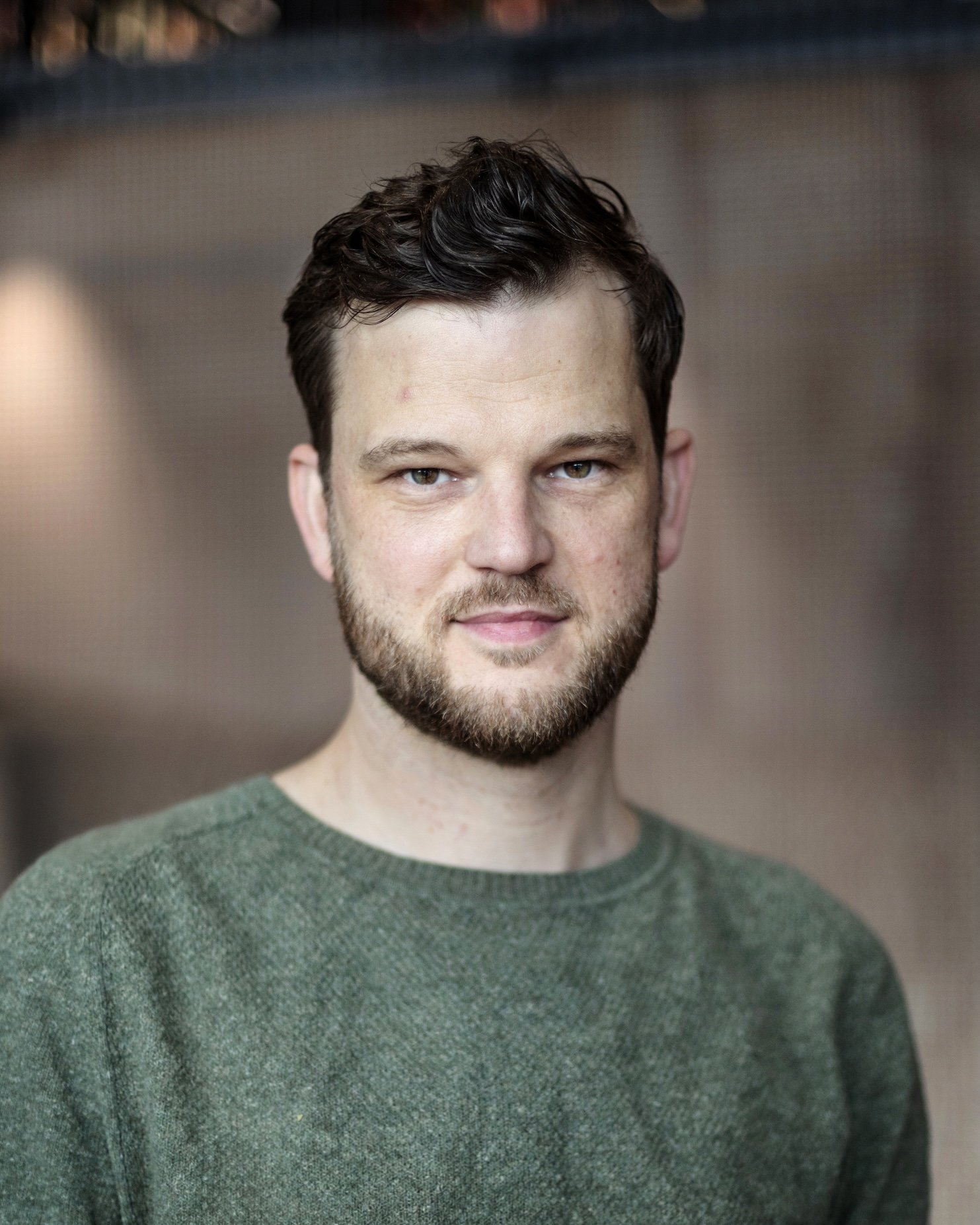
Theodor Rumetshofer is a PhD student at the department of Clinical Sciences at Lund University. Combining his background in medical engineering and bioinformatics, his research investigates brain plasticity. He specializes in MRI data management and preprocessing tools for multimodal datasets, with a particular emphasis on ultra-high-field 7T MRI.
Warren, Jose Luis Alatorre
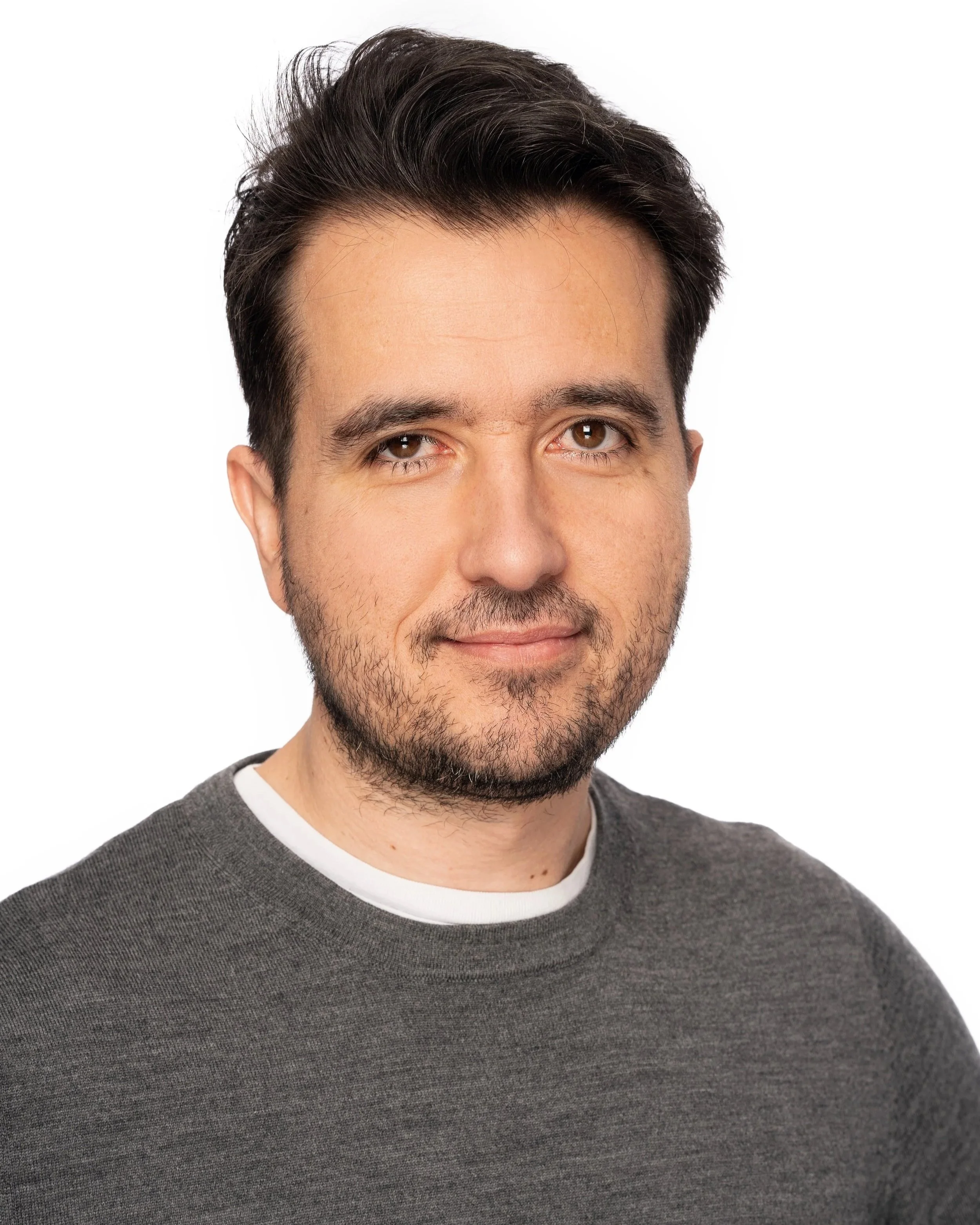
Jose Luis is a Senior Engineer and Senior Scientist at the University of Oslo, where he work at the Center for Lifespan Changes in Brain and Cognition (LCBC). His research focuses on developmental cognitive neuroscience and computational neuroimaging, with particular emphasis on early brain development and longitudinal MRI. Before joining UiO, he worked at Massachusetts General Hospital and Boston Children’s Hospital, and during his PhD he studied brain evolution through comparative analyses of humans and other primates.